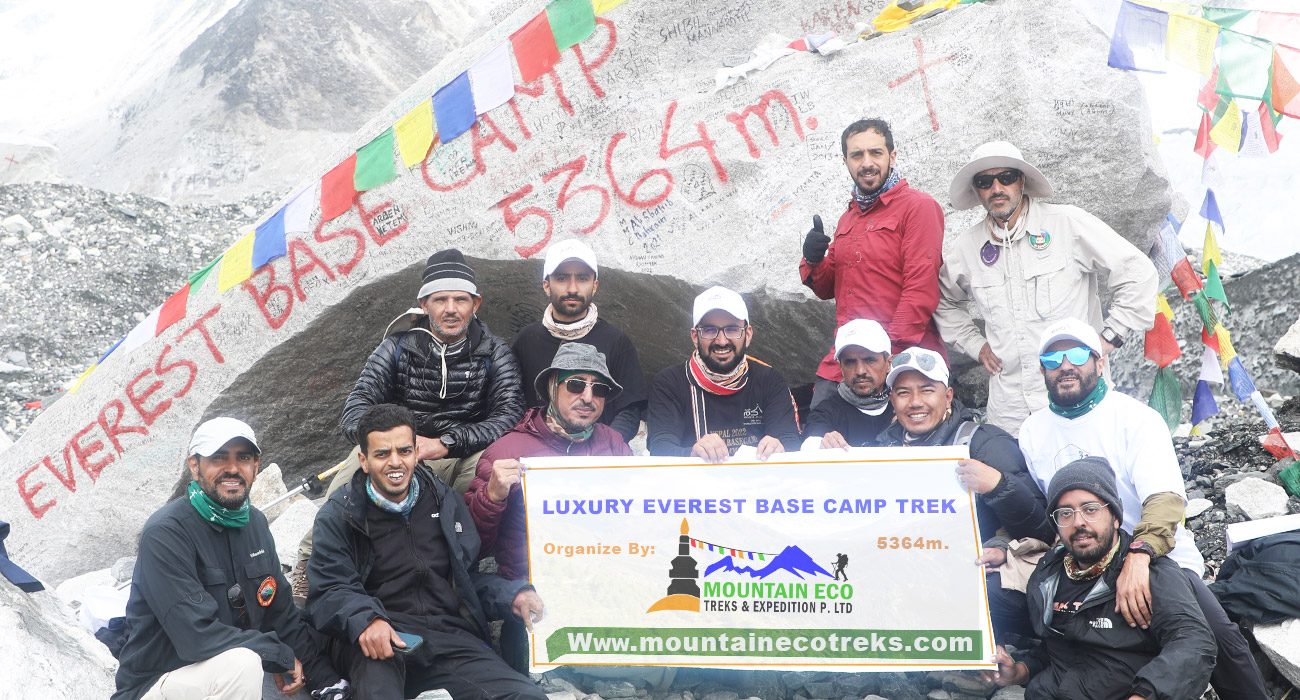
Some travel experiences are about seeing a place. Others are about feeling completely removed from the life you know.
The Everest Base Camp Luxury Trek offers that second kind of experience. The journey takes you from familiar roads and busy towns into a remote Himalayan world where giant peaks, quiet valleys, stone villages, and ancient traditions become part of your everyday surroundings.
For travelers who want to explore this remarkable region without choosing the most basic trekking style, a luxury approach can add comfort without taking away the adventure.
Enter a World Shaped by Mountains
The Everest region has been shaped by its geography for centuries.
Mountains influence where people live, how supplies move, and how villages connect with one another. Even the trails you walk were built around the natural shape of the land.
The Landscape Controls the Journey
There are no simple straight lines through the Himalayas.
The trail climbs over ridges, follows rivers, passes through valleys, and crosses bridges.
Sometimes you walk uphill for a long stretch. Other times, the path drops before climbing again.
This is why trekking in the Everest region feels different from walking on an ordinary hiking trail.
Experience the Trail With All Five Senses
A mountain journey is easy to remember visually, but the experience is much bigger than photographs.
You hear rivers rushing below bridges.
You feel cold air against your face.
You smell wood smoke near mountain homes.
You taste warm food after a long walking day.
Small Sensations Become Strong Memories
A hot cup of tea can feel unusually satisfying after hours outside.
The sound of wind against a lodge can make the evening feel peaceful.
The first warm sunlight of the morning can feel like a reward.
These small moments often stay in your memory long after the large views become familiar.
Understand Why the Route Takes Time
Looking at a map can make the Everest journey seem simple.
The distance may not appear extreme.
But the challenge comes from the combination of terrain and altitude.
Distance Is Not the Only Measure
A short walking day can still feel difficult at high elevation.
A steep climb can take much longer than expected.
Your body is working with less oxygen, and that changes your normal walking pace.
This is why a good itinerary should focus on gradual progress rather than trying to cover the maximum distance every day.
Give Yourself Time to Adjust
Acclimatization is one of the most important parts of a high-altitude trek.
Your body needs time to respond to the changing environment.
Rest Days Have a Purpose
An acclimatization day does not mean you have to sit inside your room all day.
You can take a gentle walk, explore a nearby settlement, visit a viewpoint, or simply relax.
The important thing is not to push too hard.
A well-planned Everest Base Camp Luxury Trek should give your body enough time to adjust before moving into higher areas.
The Value of Experienced Mountain Support
When you are far from major cities, good support becomes more important.
An experienced trekking team can help you understand the route and respond to changing conditions.
A Guide Adds More Than Direction
Your guide may explain local customs, identify mountain peaks, suggest suitable walking speeds, and monitor how the group is handling the altitude.
They can also help you understand what is normal and what may require attention.
That knowledge can provide confidence throughout the journey.
Watch How the Villages Change
The villages you see at lower elevations can look very different from those higher on the route.
Buildings, vegetation, and daily routines gradually change as the environment becomes harsher.
Notice the Architecture
Stone walls and traditional structures are common along parts of the trail.
Buildings are designed to deal with cold temperatures, mountain winds, and the practical needs of local life.
Look closely at the way homes, lodges, and community spaces fit into the landscape.
The villages themselves tell part of the story of the Himalayas.
Carry Less and Enjoy More
Packing for a high-altitude trip can become a battle between preparation and overpacking.
It is easy to imagine every possible situation and add more items to your bag.
Remove What You Do Not Need
Before leaving, check each item.
If you can easily live without it for several days, consider leaving it at home or storing it securely before the trek.
A practical trekking kit should focus on:
- Warm clothing
- Comfortable footwear
- Rain protection
- Sun protection
- Personal medicine
- Water
- Snacks
- Headlamp
- Small electronics
- Basic hygiene items
Less weight can make every walking day more comfortable.
Protect Yourself From the Mountain Sun
Cold weather does not mean weak sunlight.
At high elevations, sun exposure can be strong.
Sunglasses Are More Than a Comfort Item
Good sunglasses help protect your eyes from intense sunlight and glare.
Sunscreen is equally important.
Apply it to exposed skin, especially your face, neck, and hands.
Lip balm with sun protection can also be useful in dry mountain conditions.
Keep Your Water Routine Consistent
Thirst is not always a reliable signal during cold-weather trekking.
You may not feel as thirsty as you would on a hot summer hike, but your body still loses fluids.
Drink During the Day
Keep water accessible rather than buried at the bottom of your backpack.
Take regular drinks during walking breaks.
Your trekking team can also advise you about water sources and safe drinking practices along the route.
Give Yourself Time to Enjoy the Higher Villages
As you move upward, the settlements become smaller and the surroundings more dramatic.
Do not think of them only as places where you spend the night.
Slow Down Before the Final Push
Higher villages can offer a quiet chance to appreciate how different the environment has become.
Look around before heading inside.
Watch the changing light on the mountains.
Listen to the wind.
At these elevations, even a short walk outside can feel like a special experience.
Why Luxury Does Not Take Away the Adventure
Some travelers think a luxury trek must be less authentic.
That is not necessarily true.
You are still walking through the same dramatic environment and dealing with the realities of high-altitude travel.
Comfort and Challenge Can Exist Together
You can spend the day climbing a demanding trail and the evening enjoying a more comfortable place to recover.
Those two things are not opposites.
The Everest Base Camp Luxury Trek simply puts more attention on how the entire trip feels, not just whether you reach the destination.
Conclusion
The Himalayas are not a place you need to rush through.
Their beauty comes from scale, silence, culture, and gradual change.
The Everest Base Camp Luxury Trek gives travelers a chance to experience that world while enjoying greater attention to comfort and organization.
You still have to walk the trail. You still need to prepare for altitude. You still need to respect the weather and the environment.
But you can also take time to enjoy good meals, recover properly, learn from local guides, and appreciate the small details around you.
That balance can turn a difficult trek into a richer travel experience.
Frequently Asked Questions
How different is high-altitude trekking from normal hiking?
High altitude can make ordinary walking feel much harder because there is less oxygen available. This is why pacing and acclimatization are important.
Can I enjoy the trek if I prefer comfort?
Yes. A luxury trekking package is designed for travelers who want the adventure of the Everest route while giving greater attention to accommodation and service.
How can I protect myself from cold and sunlight at the same time?
Use layers for warmth and carry good sunglasses, sunscreen, and a hat for sun protection. Mountain weather can require both throughout the same day.
Should I carry all my luggage while walking?
Usually, travelers carry a smaller daypack while trekking, while larger bags may be handled separately depending on the package.
What makes the Everest region culturally interesting?
The area has distinctive Sherpa communities, Buddhist traditions, monasteries, prayer flags, local architecture, and mountain settlements shaped by life at high altitude.
