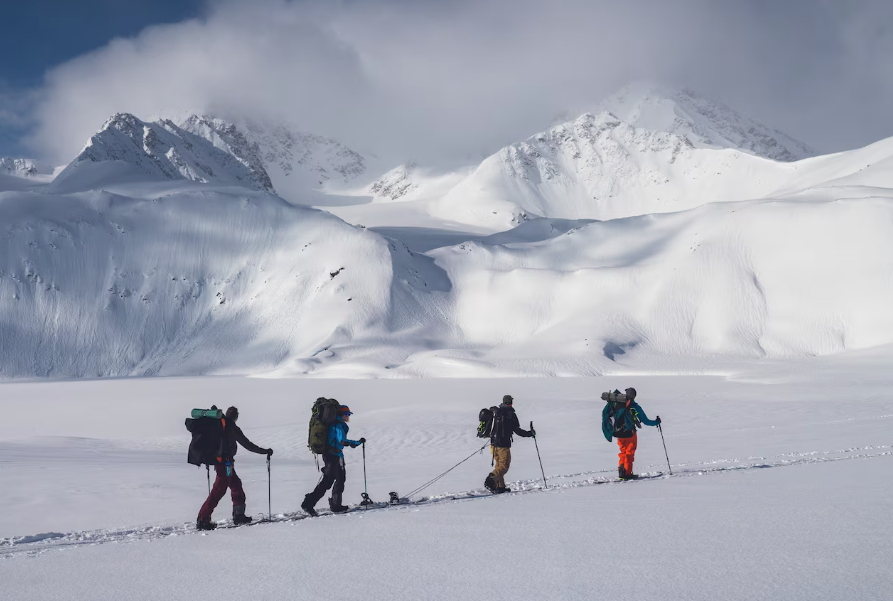
The Everest Base Camp Trek is one of the most iconic trekking adventures in the world. Every year, thousands of trekkers from different corners of the globe travel to Nepal to walk in the footsteps of legendary mountaineers and experience the raw beauty of the Himalayas. While the journey offers breathtaking landscapes, rich Sherpa culture, and a deep sense of accomplishment, one factor defines the entire experience more than anything else — the altitude in Everest.
Altitude plays a crucial role in determining how challenging, safe, and rewarding the Everest Base Camp Trek can be. Understanding how altitude affects the body, how the trek gradually ascends, and how to acclimatize properly can make the difference between a successful trek and a difficult one.
This article provides a complete overview of the Everest Base Camp Trek with a strong focus on altitude in Everest, helping trekkers prepare mentally and physically for this unforgettable journey.
Overview of the Everest Base Camp Trek
The Everest Base Camp Trek takes place in the Khumbu region of Nepal and leads trekkers to the base of the world’s highest mountain, Mount Everest. The trek typically starts with a scenic flight to Lukla and continues through famous Sherpa villages such as Namche Bazaar, Tengboche, and Dingboche.
The final destination, Everest Base Camp, sits at an altitude of approximately 5,364 meters (17,598 feet) above sea level. Reaching this point is a major achievement for trekkers, especially considering the steady increase in altitude throughout the journey.
Why Altitude Matters in the Everest Region
The altitude in Everest is not just a number — it directly affects breathing, sleep, energy levels, and overall health. As altitude increases, air pressure decreases, which means there is less oxygen available with each breath. This can lead to altitude-related illnesses if proper precautions are not taken.
On the Everest Base Camp Trek, trekkers move from around 2,860 meters (9,383 feet) in Lukla to over 5,500 meters (18,000 feet) at viewpoints like Kala Patthar. This significant elevation gain makes altitude awareness essential.
Altitude Breakdown Along the Everest Base Camp Trek
Here is a general altitude overview of key points along the trek:
- Lukla – 2,860 m (9,383 ft)
- Phakding – 2,610 m (8,563 ft)
- Namche Bazaar – 3,440 m (11,286 ft)
- Tengboche – 3,860 m (12,664 ft)
- Dingboche – 4,410 m (14,469 ft)
- Lobuche – 4,940 m (16,210 ft)
- Gorak Shep – 5,164 m (16,942 ft)
- Everest Base Camp – 5,364 m (17,598 ft)
- Kala Patthar – 5,545 m (18,192 ft)
This gradual ascent is intentionally designed to help trekkers adapt to the altitude in Everest.
Altitude Sickness and Its Impact
One of the biggest concerns on the Everest Base Camp Trek is Acute Mountain Sickness (AMS). AMS can affect anyone, regardless of age or fitness level. The main cause is ascending too quickly without giving the body time to acclimatize.
Common Symptoms of AMS:
- Headache
- Nausea or vomiting
- Loss of appetite
- Dizziness
- Fatigue
- Difficulty sleeping
In severe cases, AMS can develop into High Altitude Pulmonary Edema (HAPE) or High Altitude Cerebral Edema (HACE), both of which are life-threatening.
Understanding the altitude in Everest and respecting its challenges is the key to prevention.
Importance of Acclimatization
Acclimatization is the process by which the body adapts to lower oxygen levels at higher altitudes. The Everest Base Camp Trek itinerary usually includes two important acclimatization days, typically in Namche Bazaar and Dingboche.
How Acclimatization Works:
- “Climb high, sleep low” strategy
- Rest days with short hikes to higher elevations
- Increased red blood cell production
- Improved oxygen efficiency
Skipping acclimatization days greatly increases the risk of altitude sickness. Proper acclimatization allows trekkers to safely experience the high altitude in Everest while enjoying the journey.
Physical and Mental Challenges at High Altitude
The altitude in Everest does not only affect the body physically; it also impacts mental strength. Simple tasks such as walking uphill, eating, or even holding a conversation can feel exhausting at high elevations.
Trekkers often report:
- Slower walking pace
- Shortness of breath
- Increased need for rest
- Reduced concentration
Mental resilience becomes just as important as physical fitness. Staying positive, pacing yourself, and listening to your body are essential strategies for success on the Everest Base Camp Trek.
Preparing for the Altitude in Everest
Preparation plays a major role in how well trekkers cope with high altitude.
Physical Preparation:
- Cardiovascular training (hiking, running, cycling)
- Strength training for legs and core
- Practice hikes with elevation gain
Mental Preparation:
- Understanding altitude effects
- Setting realistic expectations
- Being flexible with itinerary changes
Hydration, proper nutrition, and avoiding alcohol are also critical in managing the altitude in Everest.
Cultural and Natural Rewards Despite the Altitude
Despite the physical challenges, the Everest Base Camp Trek offers unmatched rewards. Trekkers experience ancient monasteries, colorful prayer flags, and the warm hospitality of Sherpa communities. Views of towering peaks like Lhotse, Ama Dablam, and Nuptse make every step worthwhile.
The high altitude in Everest enhances the sense of achievement, making the journey both humbling and inspiring.
Reaching Everest Base Camp: A Life-Changing Moment
Standing at Everest Base Camp is an emotional moment for many trekkers. Surrounded by glaciers, icefalls, and towering Himalayan giants, the reality of the journey truly sinks in. The altitude, the effort, and the determination required to reach this point create a deep sense of pride and connection with the mountains.
Conclusion
The Everest Base Camp Trek is much more than a hike; it is a journey into extreme altitude, personal limits, and natural beauty. Understanding and respecting the altitude in Everest is essential for a safe and enjoyable experience.
With proper acclimatization, preparation, and a positive mindset, trekkers can overcome the challenges of high altitude and experience one of the most rewarding adventures on Earth. The combination of breathtaking scenery, rich culture, and the sheer power of the Himalayas makes the Everest Base Camp Trek a truly unforgettable journey.
