Morocco mountain trekking is an incredible way to discover the country’s spectacular landscapes, traditional mountain villages, and rich cultural heritage. From rugged High Atlas peaks to peaceful valleys and winding trails, Morocco offers outdoor adventures for travelers seeking both physical challenges and authentic cultural experiences. Whether you are planning a short guided hike or a multi-day mountain expedition, the country’s diverse terrain provides plenty of opportunities to explore nature at your own pace.
The Atlas Mountains are the main attraction for trekking enthusiasts, featuring dramatic summits, remote settlements, terraced farmland, and breathtaking panoramic views. With suitable preparation and guidance from experienced local professionals, visitors can experience the beauty of Morocco’s mountains while learning about the traditions of the communities that call these regions home.
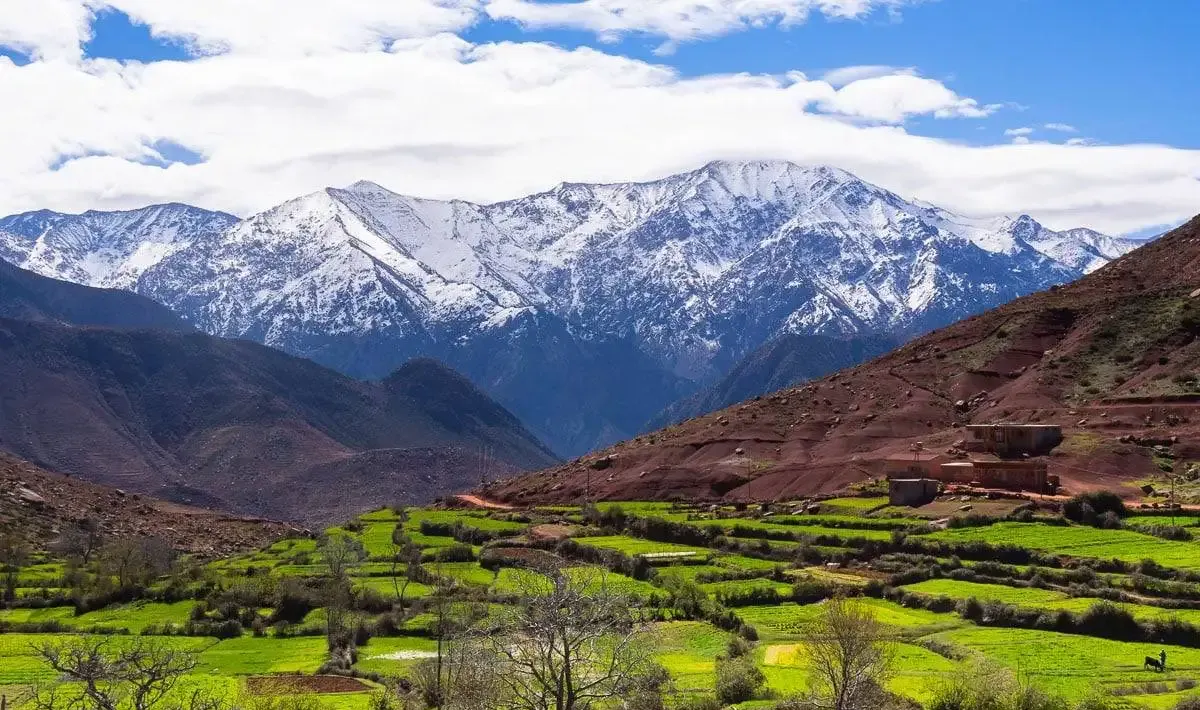
Discover the Beauty of the High Atlas Mountains
The High Atlas Mountains are among the most popular destinations for Morocco mountain trekking. Their impressive peaks, deep valleys, and scenic trails attract hikers from around the world. The region offers routes for different experience levels, from gentle countryside walks to demanding high-altitude climbs.
Imlil is a well-known starting point for many trekking adventures. Located south of Marrakech, this mountain village provides access to walking trails, traditional Amazigh settlements, and routes leading toward Mount Toubkal.
Along the way, trekkers can enjoy views of rocky slopes, cultivated terraces, walnut trees, and mountain streams. These changing landscapes make every stage of the journey distinctive and rewarding.
Experience the Challenge of Mount Toubkal
Mount Toubkal is one of Morocco’s most famous trekking destinations and the highest mountain in North Africa, reaching approximately 4,167 metres above sea level. Its summit attracts adventure seekers who want to test their endurance and experience the remarkable scenery of the High Atlas.
A typical ascent begins in Imlil and involves walking toward a mountain refuge before continuing to the summit. Many itineraries take two or three days, depending on the route, pace, weather, and acclimatization needs.
Although the standard summer route does not usually require technical climbing, the altitude, steep sections, and rocky terrain make proper preparation essential. Winter conditions can transform the route into a serious mountaineering challenge requiring specialized equipment and relevant experience.
Trekkers should assess their fitness, check current mountain conditions, and arrange qualified local guidance where appropriate before attempting the ascent.
Explore Traditional Mountain Villages
One of the most rewarding aspects of Morocco mountain trekking is the opportunity to visit traditional Amazigh villages. These settlements are often built along hillsides or nestled within fertile valleys, surrounded by terraced fields and rugged mountain scenery.
Walking between villages allows visitors to observe local architecture, agricultural practices, and everyday rural life. Travelers may also discover traditional bread-making, regional cuisine, and the importance of community relationships in mountain regions.
Villages around Imlil and the Azzaden Valley offer opportunities to combine outdoor exploration with cultural discovery. Staying in a locally operated guesthouse can provide a deeper understanding of regional hospitality while supporting the local economy.
Visitors should respect residents’ privacy, follow local customs, and ask permission before photographing people or private property.
Discover the Scenic Aït Bouguemez Valley
For travelers seeking a quieter trekking experience, the Aït Bouguemez Valley is an attractive alternative to the busier routes around Mount Toubkal. Often known as the Happy Valley, this area is recognized for its green agricultural landscapes, traditional settlements, and impressive mountain surroundings.
The valley is suitable for exploring on foot, with opportunities to walk between villages, enjoy panoramic viewpoints, and learn about traditional farming practices. Multi-day itineraries can offer a slower-paced experience than a summit-focused expedition.
This destination can appeal to photographers, nature enthusiasts, and travelers who want to experience rural Morocco away from major tourist centers. Route selection should take account of available time, seasonal conditions, and the walking abilities of the group.
Choose the Best Season for Mountain Trekking
The best time for Morocco mountain trekking depends on the destination, elevation, and type of adventure you have planned.
Spring and autumn are often popular for walking in the Atlas Mountains because temperatures can be comfortable and conditions may be favorable on many lower trails. Spring can bring greener valleys and flowering vegetation, while autumn often offers clear mountain views.
Summer is suitable for many established trekking routes, although lower elevations can become hot. Starting early and carrying sufficient water can help reduce exposure to midday heat.
Winter requires additional caution, especially on high-altitude routes where snow, ice, strong winds, and freezing temperatures may occur. Specialized equipment and winter mountaineering skills may be necessary. Always check current conditions instead of relying on the season alone. <Cite refs={[“turn873819search0″,”turn873819search2”]}/>
Prepare for a Safe and Comfortable Trek
Good preparation helps make a mountain trekking holiday more enjoyable. Start by choosing a route that matches your fitness level and previous hiking experience. Beginners may prefer shorter guided walks, while experienced hikers can consider longer routes involving substantial elevation gain.
Pack sturdy hiking boots, layered clothing, a waterproof jacket, sun protection, and a comfortable backpack. Bring sufficient drinking water, snacks, and basic first-aid supplies. For overnight treks, confirm whether accommodation, meals, and luggage transport are included.
Hiring an experienced local guide can help with route planning, navigation, and understanding local conditions. Before booking, clarify the itinerary, expected walking hours, elevation changes, group size, and safety arrangements.
It is also important to allow enough time for rest and acclimatization when trekking at higher elevations. Never ignore symptoms that could indicate altitude-related illness; stop ascending and seek appropriate assistance if symptoms develop.
Support Responsible Mountain Tourism
Morocco’s mountain environments and traditional communities are important parts of the country’s natural and cultural heritage. Responsible trekking helps protect these landscapes while ensuring that local communities benefit from tourism.
Choose local guides and accommodation providers where possible, avoid leaving rubbish, and remain on appropriate trails. Respect water resources, farmland, livestock, and village customs throughout your journey.
Travelers can also support local artisans and small businesses by purchasing regional products and using locally operated services. These choices help create more meaningful travel experiences while contributing to sustainable tourism in mountain communities.
Conclusion
Morocco mountain trekking combines spectacular scenery, outdoor adventure, and cultural discovery in one unforgettable experience. From the challenging ascent of Mount Toubkal to the peaceful walking trails of the Aït Bouguemez Valley, the country offers a wide range of options for travelers with different interests and abilities.
Exploring traditional villages, meeting local communities, and walking through dramatic mountain landscapes can make a trekking holiday far more meaningful than simply reaching a summit. With careful planning, appropriate equipment, and respect for local traditions, visitors can enjoy a rewarding journey through Morocco’s remarkable mountain regions.
Frequently Asked Questions (FAQs)
1. What is the best destination for Morocco mountain trekking?
The High Atlas Mountains are among the country’s leading trekking destinations. Imlil is a popular starting point for Mount Toubkal and nearby village trails, while the Aït Bouguemez Valley offers scenic walks and a quieter rural atmosphere.
2. Is Morocco mountain trekking suitable for beginners?
Yes. Beginners can choose shorter guided walks through mountain valleys and traditional villages. Challenging summit routes require better fitness, preparation, and an understanding of altitude-related risks.
3. How many days are needed for mountain trekking in Morocco?
A short village hike may take a few hours, while a Mount Toubkal ascent commonly takes two or three days. Longer mountain traverses may require several additional days, depending on the route and itinerary.
4. When is the best time to go trekking in Morocco?
Spring and autumn are popular seasons for many Atlas Mountain routes. Summer can also be suitable, while winter trekking at higher elevations may require specialist equipment and mountaineering experience.
5. Do I need a guide for Morocco mountain trekking?
A qualified local guide is valuable for route planning, navigation, and cultural insight. Requirements can vary by location and route, so confirm the current rules before your trip.
6. What should I pack for a mountain trekking trip?
Bring suitable hiking boots, layered clothing, a waterproof jacket, sun protection, drinking water, snacks, and a first-aid kit. Higher-altitude and winter routes may require additional equipment.
7. Can I combine mountain trekking with cultural experiences?
Absolutely. Many routes pass through traditional Amazigh villages, where visitors can discover local architecture, cuisine, agriculture, and hospitality. Staying in a local guesthouse can add another dimension to the experience.
