If you manage more than one vessel — or even one large crew — firefighting gear isn’t something you can afford to leave to improvisation. In emergencies, consistency saves time, and time saves lives.
That’s why more and more charter operators, commercial captains, and maritime safety officers are choosing to standardize their fire protection kits — down to every helmet, glove, and fire hood.
Let’s walk through why this approach works — and how to do it right.
Why Standardization Beats “Mix and Match”
We’ve seen it too often: different boats with different gear. Some suits are decades old, others brand new. Gloves don’t match, sizes are missing, and a routine drill turns into a scavenger hunt.
The problems with mismatched gear:
- Slower emergency response
- Difficulty with drills or crew changes
- Higher cost over time due to complexity
- Increased inspection risk
By contrast, when every crew member knows exactly where their fire suit is — and that it fits — they’re ready to act without hesitation.
✅ The Essentials: What Every Crew Member Needs
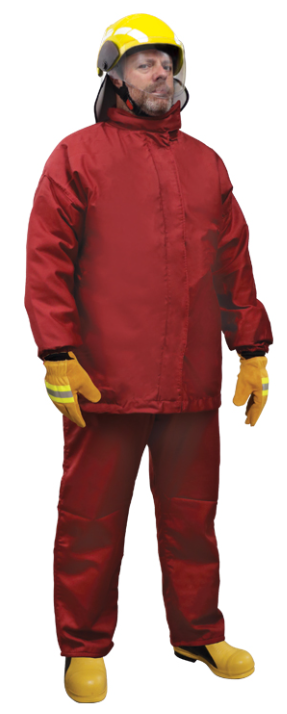
A fully outfitted firefighter on board should have:
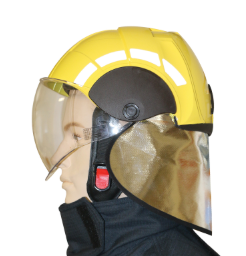
- Helmet (SOLAS/MED-certified)
- Fire hood (Category III, EN 13911)
- Fire jacket and trousers (EN 469:2020 or better)
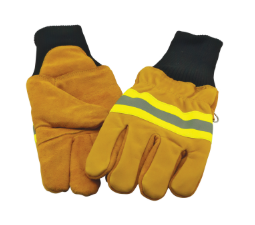
- Gloves (SOLAS/MED)
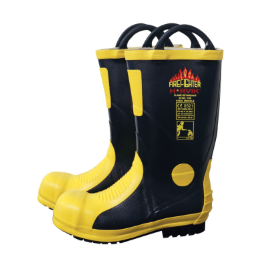
- Fire boots
- Restraint belt with lanyard (EN 358)
Each item is there for a reason. And when everyone wears the same certified model, the benefits are immediate:
No confusion over sizing
Training is simplified
Replacement and resupply are predictable
Your team looks and works like a unit
Explore the full equipment list in the Fire-fighting Equipment section at Gaelix Marine Service.
How to Roll Out a Standard Kit
Here’s how we recommend outfitting a fleet or charter company:
- Choose a brand and model per item
- For example:
LALIZAS Antipiros jacket + trousers
Safeguard fireman boots
LALIZAS SOLAS gloves
- Size and test with your team
- Order sample sets and get feedback. Check fit, comfort, and mobility. Fire gear should be rugged, but not restrict movement.
- Create one master checklist
- Define what each vessel or base must have on board — for both emergency readiness and inspection readiness.
- Keep spares — and label them clearly
- Things wear out. Keep a locker with labeled spare gloves, belts, and fire hoods ready to deploy.
- Train to your setup
- Don’t just tell your team what’s on board — train with it. Run drills using the exact gear that’ll be worn in a real emergency.
Corporate Benefits Beyond Safety
This approach doesn’t just make safety sense — it’s operationally efficient too:
Easier purchasing and logistics
Stronger compliance during flag/state inspections
Less confusion for rotating or seasonal crew
Enhanced brand professionalism (uniform crew gear)
And let’s not forget: a team that feels ready performs better in a crisis.
Need Help with Setup?
At Gaelix Marine Service, we work with charter fleets, shipping companies, training centers, and offshore teams to build firefighting kits that are smart, practical, and compliant.
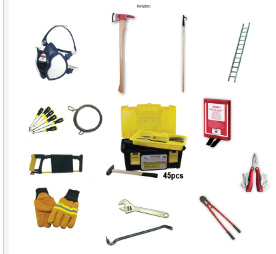
Want to browse the full range? Check out the Fire-fighting Equipment page — you’ll find everything from helmets and boots to hoses and blankets, ready for professional use.
Final Thought
You don’t want your crew scrambling for gloves during an emergency. You want a system. You want trust in the gear, trust in each other — and the ability to act fast.
Because when fire strikes, there’s no time for second guesses.
One standard. One checklist. One team — ready.
