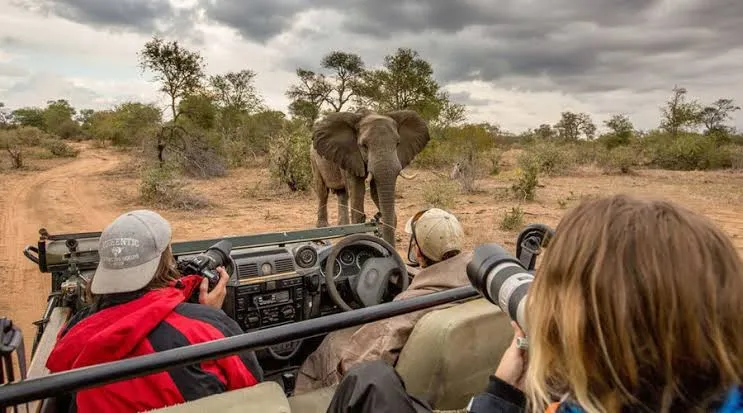
Kenya and Tanzania share one migration system, which makes crossing the border tempting for travelers with time to spare. This article weighs the paperwork, the transfer days, and the wildlife gains to help you decide whether a two-country route is worth it.
Two Countries, One Migration Story
The Serengeti and the Maasai Mara are the same ecosystem divided by a line on a map. Wildebeest and zebra move between them depending on rainfall and grass, which means timing decides where the action happens. A combined Kenya Tanzania safari lets you follow the herds through different phases, from calving plains to dramatic river crossings. Each country also adds species and landscapes the other lacks, such as Amboseli’s elephants against Kilimanjaro or Tanzania’s tree-climbing lions in Manyara. Seeing both gives a fuller picture of how this extraordinary system actually works.
What the Border Crossing Actually Involves
Many people picture long queues and complicated forms, but the reality is usually smoother. The usual safari crossing is at Namanga, with Isebania used mainly for western routes that link the Mara and Serengeti. Your operator typically arranges vehicle transfers on each side. You walk through immigration, complete a short formality, and meet a new driver and vehicle waiting beyond the gate. Expect roughly one to two hours at the border in normal conditions. Carry your passport, visa documents, and yellow fever certificate where required, and the process stays straightforward, with far less stress than most first-time visitors expect.
Time and Logistics You Should Budget For
The honest downside is time. Crossing by road means a long transfer day, often six to eight hours including the border stop, which eats into game viewing. Many travelers reduce this by using scheduled regional flights from Nairobi to Kilimanjaro or Arusha. Flying costs more but saves a full day, which many guests consider money well spent. As a rule, plan at least ten days so the transit does not squeeze your wildlife time, and build buffer hours around every international connection. Always check baggage allowances too, because regional flights often limit soft bags.
Cost Differences Between the Two Countries
Budget matters, and the two countries price safaris differently. Kenya generally offers a wider range, from affordable group camps to luxury tented lodges, while Tanzania’s parks tend to carry higher entry fees and concession charges, especially in the Serengeti. Combining them spreads your spending across both markets, and you can balance a premium Tanzanian stay with a value-focused Kenyan one. Remember to account for extra visa fees, park permits in each country, and transfer costs. Comparing itemized quotes for East Africa safari packages shows where your money truly goes before you commit.
Wildlife and Scenery You Gain by Crossing
Each side offers highlights the other cannot match. Kenya delivers Big Five viewing in Lake Nakuru, open savannah in Amboseli, and the famed Mara River crossings in peak season. Tanzania adds the vast Serengeti plains, the Ngorongoro Crater’s dense wildlife, and quieter parks like Tarangire and Lake Manyara. Together they create variety in terrain, from volcanic highlands to acacia woodland and soda lakes. Travelers who combine both also meet different cultures, including Maasai communities on either side, which enriches the trip well beyond the animals themselves.
Who Benefits Most from a Two-Country Itinerary
A combined route suits travelers with at least ten days, a curiosity about different landscapes, and a willingness to spend a little time in transit. First-timers who want the full migration story gain the most, as do photographers chasing varied scenery. Families and those short on time may prefer a single country to avoid long transfers. Think honestly about your pace, interests, and budget before deciding. A knowledgeable operator can match the plan to your priorities and suggest whether one country or two serves you better.
Your Two-Country Decision
Crossing the border makes sense when you have ten or more days and enjoy changing landscapes. Price both options, count the transfer hours honestly, and choose the route that leaves time for the animals.
